
Be pro-tein on a plant-based diet
How to meet your protein goals on a vegetarian or vegan diet
Many vegan professional athletes, including tennis players, formula-1 racing drivers, figure skaters, and bodybuilders, prove that anyone can be fit, strong, and healthy on a plant-based diet. Meat doesn’t mean the difference between meeting all your nutritional requirements – it all boils down to how well-balanced your diet is.
Following a plant-based diet doesn’t mean ditching protein altogether but instead finding other plant-based foods containing protein. If you’re new to the vegetarian or vegan lifestyle, all you need to do is a bit of research and planning to ensure you boost your protein intake.
How much protein do you need in a plant-based diet?
Official dietary guidelines recommend an average daily protein requirement of 0,8g per kilogram of body weight for adult men and women. For example, if you weigh 80kg, you’d need around 64g of protein a day – just 48g if you weigh 60kg.
More recent research suggests that you could even add a bit more to your diet, especially if you’re active, building muscle, ill, or over the age of 65 years. In fact, you can aim for 1,5g of protein per kilogram, which is still relatively easy to achieve, even on a plant-based diet.
Plant-based foods containing protein
Remember, we’re talking about the amount of protein in food, not the actual weight of the food itself. Generally, 30g of meat or 40g of fish or chicken provides around 7g of protein. So, if you need 64g of protein per day, you’d need to consume 275g of meat – that is, if all your daily protein comes from meat.
However, plant-based protein foods aren’t as densely packed with protein, so you’d need to eat around 75g of cooked lentils to get only 7g or 685g for 64g of protein.
Fortunately, almost everything we eat contains protein, including legumes, whole grains, and vegetables.
As the saying goes, “Variety is the spice of life.” In this case, food variety is the building block of life.
Individual plant sources containing protein don’t offer all the essential amino acids we need.
There are 20 known amino acids, and 9 of them are considered crucial because the body cannot produce them naturally. But don’t stress, eating various plant-based foods ensures the combination provides enough amino acids.
Plant-based protein sources
The best way to soak up the benefits of a plant-based diet is to know where to find protein and how much protein plant-based foods contain.
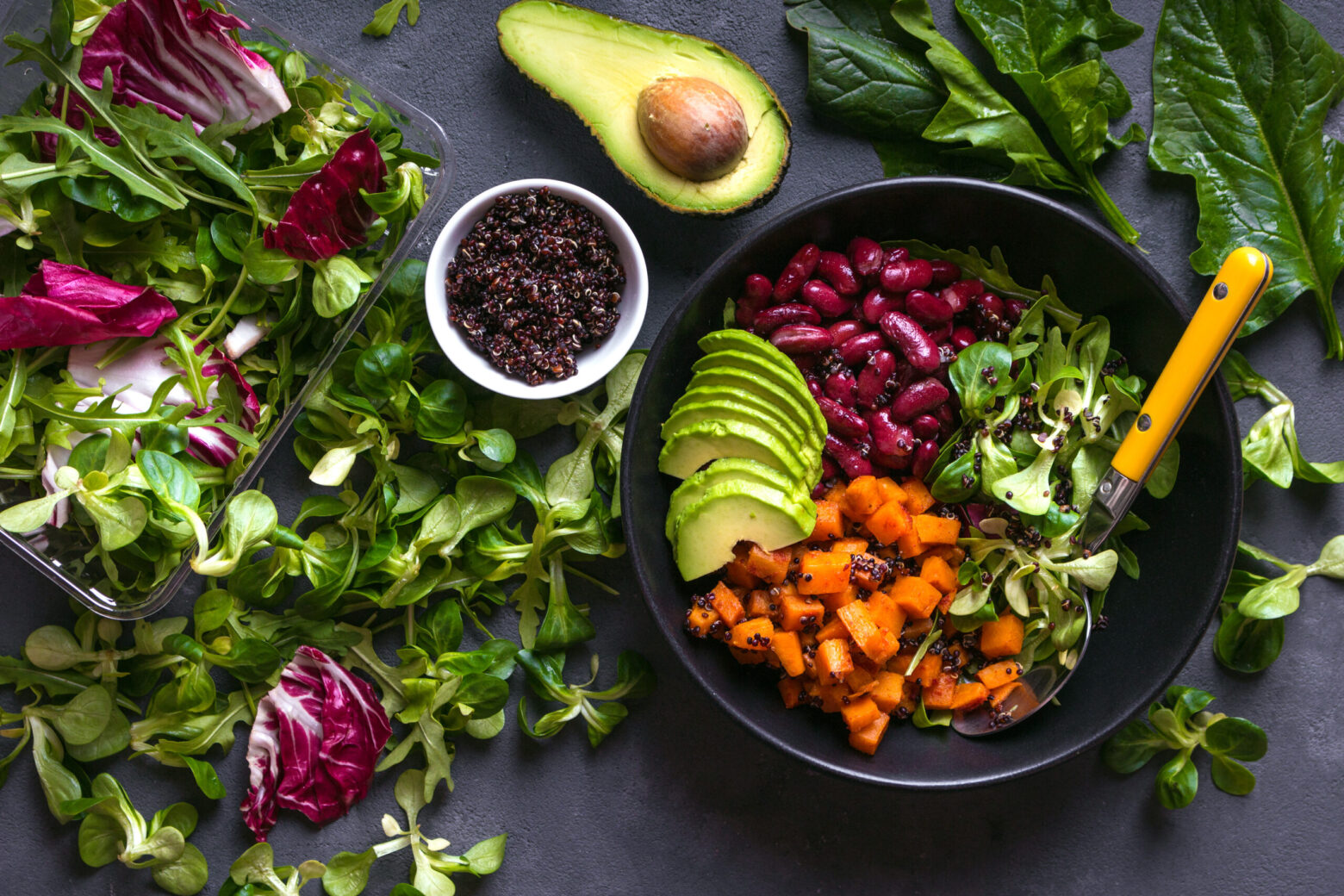
Plant-based protein sources include:
- Beans
- Lentils
- Chickpeas
- Edamame beans
- Tempeh
- Tofu
- Soya products
- Nuts
- Seeds
- Green peas
- Quinoa
- Oats
- Broccoli
- Spinach
- Potatoes
Planning every meal according to one or more of these foods makes it easy to meet your daily protein requirements. The result? A more balanced diet that gives you the energy and protein needed to maintain your muscle strength.
Your meal plan doesn’t discriminate against dietary preferences, so rest assured that you’re getting all the protein you need to stay healthy.
*take a trip to your local supermarket for plant-based protein products you can use in your meal prepping.